
Wondering if marine batteries need venting? If you have flooded lead-acid batteries, the answer is yes—they release hydrogen gas during charging that can be explosive.
Even sealed AGM and gel batteries have pressure-relief valves, so proper venting is still essential for safety.
Keep reading to learn how to vent your batteries correctly and avoid dangerous hazards.
Why Marine Battery Venting Is a Safety Requirement
Venting is a mandatory safety feature for marine batteries because they can emit hydrogen gas during charging. Without proper venting, this gas can accumulate near the ceiling, creating a flammable pocket that could ignite from a spark. The risk peaks during charging, especially if overcharging or electrical faults occur, which can cause even “maintenance-free” batteries to release dangerous levels of gas. Proper venting isn’t just about avoiding explosions; it also helps control toxic fumes and prevent fire hazards. Installing a vent path that directs gases outside your boat maintains safety and reduces corrosion inside the battery compartment, extending battery life. Increasingly strict climate regulations also require adequate ventilation or specified air-change rates, so compliance is essential to keep your boat safe and in line with environmental standards. A common source of ignition is a shore power cord spark, which can occur from faulty connections or damaged wiring and must be addressed to prevent igniting hydrogen gas. Using a best battery box with strap ensures the battery is securely housed and properly vented, reducing the risk of gas accumulation. For additional safety, a kill switch with lanyard provides instant engine shutdown in an emergency, preventing sparks from electrical shorts near gas buildup.
Which Marine Batteries Actually Need to Be Vented?
Flooded lead-acid batteries always require active venting because their liquid electrolytes produce hydrogen during charging. You must install dedicated vents or a vented battery box with upper outlets to safely release these gases. Understanding what a Group 31 battery is can help you determine the correct venting requirements for your specific battery size. AGM and gel batteries are sealed but still need at least passive ventilation. Their valve-regulated design can vent gas through pressure valves if overcharged or if a fault occurs, so proper venting materials like flame-arresting vents are essential. For high-performance setups, selecting quality battery terminals ensures reliable electrical connections while maintaining safe venting configurations. Lithium-ion marine batteries generally do not vent during normal operation, but you should provide enclosure ventilation to manage heat and prevent thermal runaway during abnormal events. Keep in mind that labels claiming batteries are “maintenance-free” do not mean they do not need venting—always check the installation guidelines to ensure proper safety measures. For integrated system control, selecting the best master switch is crucial for safely isolating the battery bank during maintenance or emergencies.

FITS GROUP 24 BATTERIES: Securely holds standard marine and RV batteries up to 10.125 inches tall; interior measures 10.6 x 7 x 10.125 inches for a stable and precise fit

FITS GROUP 27 BATTERIES: Securely holds larger marine and RV batteries up to 10.5 inches high; interior measures 13.06 x 6.9 x 10.5 inches for a precise, reliable fit
How Flooded Lead-Acid Batteries Produce Explosive Gas
Flooded lead-acid batteries produce explosive gas through the electrolytic process that occurs during charging. When you charge the battery, excess current electrolyzes water in the electrolyte, generating hydrogen at the negative plate and oxygen at the positive plate. This gassing begins once the voltage exceeds the battery’s gassing threshold, especially near full charge or during overcharge. Hydrogen is highly flammable and can ignite when mixed with air at just 4% concentration, creating a serious explosion hazard. You may notice a subtle ventilation noise from the battery’s vents, indicating gas release. This escaping gas also carries acid mist, which accelerates corrosion on terminals and nearby metal components. If this hydrogen accumulates without proper ventilation, it can quickly reach dangerous levels. A single spark from a loose connection, switch, or other source can ignite the gas and trigger an explosion. To prevent this, you must keep hydrogen concentrations below 2% within the battery compartment. For boat owners, following experienced boaters’ recommendations on compartment design significantly reduces this risk. It’s important to remember that gas generation is inherent to flooded lead-acid batteries, so safe management and adequate ventilation are essential at all times.
Are AGM and Lithium Batteries Safe in a Sealed Box?
AGM batteries can be safely installed in a sealed enclosure, but only if proper venting is maintained. While they are valve-regulated, they can still release hydrogen during overcharge conditions. Sealing them completely traps these gases, creating a pressure build-up and potential hazard. Therefore, a venting path is essential for AGM batteries to prevent dangerous gas accumulation and pressure buildup. For long-term safety, regular terminal cleaning prevents corrosion that can lead to poor connections and overcharging. Using a high-quality heat gun to efficiently seal vent tubing connections can prevent gas leaks and ensure a secure venting system.
Lithium batteries generally do not off-gas under normal operation, making them more suitable for sealed enclosures in that regard. However, fully sealed boxes can trap heat, which can cause thermal damage or reduce battery lifespan. If a lithium cell is damaged, the risk profile changes dramatically, emphasizing the need for monitoring. Your enclosure should include temperature management and emergency venting options for unexpected failures. Ultimately, whether a sealed box is safe depends on the battery type, material, and the enclosure’s ability to manage heat and vent gases in case of emergency.

Direct replacement - this battery vent tube is designed to match the fit and function of the original tube on specified applications

Some GM Genuine Parts may have formerly appeared as Adecco GM Original Equipment (OE)

Direct replacement - this battery vent tube is designed to match the fit and function of the original tube on specified applications
When “Maintenance-Free” Batteries Still Need Ventilation
Even though labels say “maintenance-free,” these batteries still need ventilation in marine setups. The label might suggest no need for gas management, but it does not mean no gas will be released. Vent pressure-relief valves in VRLA, AGM, and gel batteries can open during overcharge or faults, releasing hydrogen gas. Choosing the right crimping tools ensures secure connections that help prevent charger malfunctions and gas buildup. You cannot assume a sealed or “maintenance-free” battery is fully safe without ventilation. Under normal operation, gas emission is minimal, but a charger failure or internal defect can cause rapid gas buildup. Standards require compartment ventilation because hydrogen accumulation poses a real risk, independent of electrolyte levels. A charger malfunction can dramatically change the charge time and trigger dangerous gas release. Always plan your ventilation system accordingly, and do not rely solely on the battery’s label to determine safety measures.
How to Design a Safe Battery Compartment Venting System
To effectively vent a battery compartment, you must design the system to prevent hydrogen buildup, route gases outside safely, and meet specific sizing standards. Begin by placing intake openings low on the compartment to allow fresh air in, and position exhaust openings near the top where hydrogen tends to collect. Ensure that ductwork does not trap or slow the rising gases; keep it straight and direct, terminating outside away from ignition sources. Use non-sparking fans to move the gases and select materials resistant to acidic fumes and corrosion. Verify that your ventilation openings meet size requirements, such as 1.7 square inches near both the top and bottom, ensuring a complete air exchange at least every two minutes. Keep airflow pathways short and unobstructed to prevent dead zones where gas could stagnate. Properly designed venting systems are essential for maintaining safety and preventing hazardous accumulations.
Natural vs. Mechanical Ventilation: Which Works for Your Boat?
Natural ventilation is effective when your battery compartment allows a clear path to outside air, typically through louvers or dorades placed high up to vent rising hydrogen gases. The key is ensuring passive airflow can carry gases overboard without obstruction. Use corrosion-resistant grilles to keep the ventilation paths open and avoid blockages. This approach works best in well-ventilated or open compartments with predictable airflow conditions. For boats that rely on multiple battery banks, installing a voltage sensitive relay can help manage charging without overcomplicating your ventilation setup. To further protect connections from corrosive buildup, apply anti-corrosion grease to terminals as a standard maintenance step. However, remember that cranking batteries are designed for short, high-current bursts and typically vent less gas during normal engine starts, so they may require less passive airflow than deep cycle batteries in similar conditions.
If your compartment is tight, enclosed, or experiences irregular airflow, mechanical ventilation is a better choice. A powered fan actively exhausts hydrogen from the top of the space, providing reliable and consistent removal. This setup reduces the risk of gas buildup, especially in confined areas where passive airflow may be insufficient. Remember, flooded lead-acid batteries emit more gas and need more ventilation than AGM batteries, but even AGM types require some form of venting. Always ensure hydrogen is vented safely overboard and never seal the compartment completely.

Measuring 7 1/2" dia. and 3" H

【Powerful Ventilation】This Solar Vent Fan delivers a powerful 1440 CFH (24 CFM) airflow to quickly remove hot, stale air, moisture, and odors from your RV, Boat Cabin, or Attic. With an 8.5-inch outer diameter, it fits standard 4.72-inch vent openings for easy installation
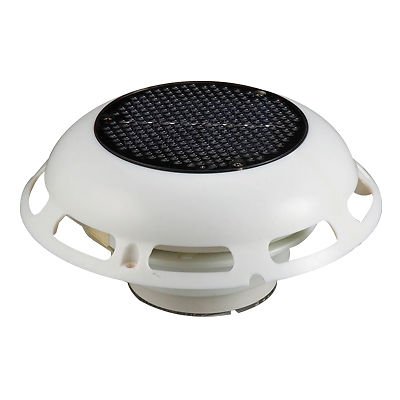
Measuring 7 1/2" dia. and 3" H
3 Ventilation Mistakes That Can Explode Your Battery Box
Sealing your battery box too tightly can cause hydrogen gas to accumulate at the top, increasing the risk of explosion. Because hydrogen rises and collects at the highest point, vents must be placed at the top to allow safe gas escape. Sealing it tightly without top venting prevents the gas from escaping, creating a dangerous buildup that could ignite. Additionally, installing vents only at the bottom misses the hydrogen pocket and won’t prevent an explosion. Proper placement of vents at the top also helps reduce battery corrosion by allowing moisture and fumes to escape, preventing trapped moisture from causing damage over time.
Another common mistake is blocking, kinking, or closing off the vent line. Even a slight crush or bend can stop gas flow entirely, permitting hydrogen to accumulate dangerously during charging. A restricted vent line not only hampers safe off-gassing but also makes ventilation maintenance ineffective, as you can’t accurately check for proper gas flow.
Finally, venting into the boat’s interior instead of open air is a serious mistake. If your system circulates gas inside the vessel, you create an explosive environment throughout the entire boat. Always ensure that exhaust lines are clear, top-vented, and directed overboard to keep the environment safe and prevent dangerous gas buildup inside your boat.

FITS GROUP U1: Engineered for jet skis and lawn equipment with interior dimensions of 8.25 x 5.5 x 7.875 inches to provide a secure and compact battery fit

Battery Box Louver Design: Specialized louver component designed specifically for battery box ventilation systems

Standard Lead Battery Marine Terminal Kit
Marine Battery Venting Checklist: 5 Steps Before Charging
Before charging your marine battery, follow this checklist to ensure proper ventilation and safety. First, verify your battery type: flooded lead-acid batteries produce significant gas and require strong venting, while AGM and lithium batteries generate minimal gas and need less ventilation. Think of gas generation like a fizzy soda—more fizz means more gas that needs to escape safely. The lifespan of deep cycle batteries depends heavily on proper ventilation and maintenance practices. For lithium batteries, using a compatible solar charge controller ensures safe charging and optimal performance.
Next, inspect your ventilation materials. Make sure that ducts and limber holes are clear of obstructions and that exhaust outlets direct air outside the boat, not into the cabin. Blocked or improperly routed vents can lead to dangerous gas buildup.
Third, test any mechanical ventilation fan. Confirm it is non-sparking and capable of providing at least six air changes per hour to dilute gas concentrations effectively.
Fourth, keep the charger away from the battery top and eliminate all ignition sources nearby. Sparks or heat from the charger or nearby equipment can ignite gases.
Finally, monitor the battery during and after charging. Run the ventilation for at least 30 minutes after disconnecting the charger, and watch for signs of excessive heat, foul odors, or swelling of the battery case. Address any issues immediately to prevent hazards during your next charging cycle. For added safety on the water, use a portable power station designed for charging trolling motors, which allows you to keep batteries topped off without running your main engine.

Package length: 3.81 cm
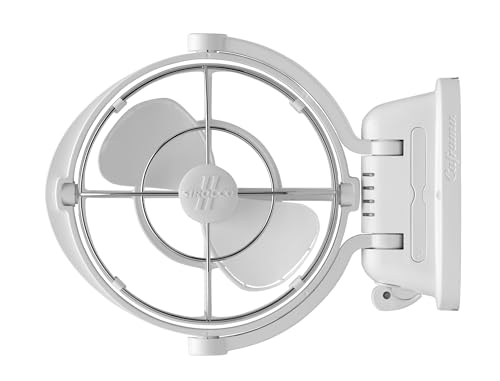
185 CFM on high (314 m³/hr), Current draw on low 0.06A (24V) and 0.12A (12V), Current draw on high 0.21A (24V) and 0.35A (12V).

Stroller Fan Battery Operated: To offer the best stroller fan, we have made many tests to ensure the clamp was strong enough to clip and stay put, even on a moving baby stroller. The portable personal fan is great for home and office, laptop, gym workout, car backseat, outdoors, camping, trips and any place where need cool wind. (Tip: Please note that this fan is single speed designed.)
What Do Marine Standards Say About Battery Ventilation?
U.S. Coast Guard and ABYC standards require proper ventilation for marine batteries to prevent flammable gas buildup, regardless of the battery type. Even sealed or AGM batteries can emit hydrogen if overcharged. Ensure your ventilation setup allows gases to escape freely—battery box covers must have vents at the highest point to let out hydrogen. For battery boxes, place air openings on at least two parallel sides to facilitate airflow. When venting to open air from a deck box, run a duct from the top of the box to at least four feet above its level to disperse gases effectively. Unlike a solar controller, battery ventilation focuses on safety rather than charging efficiency.
UK and classification Society guidance recommend a minimum of six air changes per hour in the battery compartment to dilute any accumulated gases. If you decide to use mechanical fans, they must be non-sparking and independently powered to prevent ignition sources. Additionally, your ventilation system must be interconnected with the charging system so that charging automatically stops if airflow ceases, reducing the risk of gas buildup during maintenance or fault conditions.