
Wondering how long your trolling motor battery will last on the water? The answer depends on the type of battery and how you use it.
For example, a 100Ah lead-acid battery might give you about 2 hours at full speed, while a lithium option could nearly double that.
Your actual runtime varies based on speed, water conditions, and how you connect your gear.
Keep reading to learn what factors influence your battery life and how to estimate your own runtime.
How Many Hours Can You Expect From a 100Ah Battery?
A 100Ah battery can provide approximately 2 to 5 hours of run time for a trolling motor, depending on several factors. To estimate runtime, divide the battery’s amp-hour capacity by the motor’s current draw. For example, a motor drawing 50 amps would run about 2 hours, while a 20-amp draw extends this to roughly 5 hours.
Battery chemistry plays a significant role in actual usable capacity. Lithium Iron Phosphate (LiFePO4) batteries typically deliver nearly their full rated capacity, doubling the estimated runtime. In contrast, lead-acid batteries usually only offer about 50% of their capacity due to deeper discharge risks, meaning your actual run time could be closer to half of the calculation. For optimal performance, selecting top post battery terminals can improve electrical connectivity and reduce power loss. Using marine battery terminals in a car can also provide better corrosion resistance and secure connections for high-draw applications. A properly chosen master switch for battery can help prevent parasitic drain and extend overall battery life.
To optimize your fishing or boating experience, consider the motor’s thrust and speed settings. A 55-pound thrust motor might last around 2 hours at full speed, but at moderate to low speeds, it can extend to 4 to 10 hours on the same battery. Smaller motors, such as 30-pound thrust units, will often run longer on the same capacity, providing more time for fishing or cruising.

【Product Overview】Designed for deep cycle energy storage applications, SUPER EMPOWER LiFePO₄ batteries provide reliable power for RV, marine, trolling motor, and off-grid systems, featuring premium LiFePO₄ cells and an integrated BMS for protection against overcharge, over-discharge, overcurrent, short circuit, and temperature extremes; ideal for auxiliary and house power needs in mobile and outdoor setups, ensuring stable and long-lasting performance. Designed for energy storage use only, this battery is not suitable for engine starting or cranking applications.

【Advanced Smart BMS & All-Weather Safety】Equipped with an upgraded 100A Smart BMS, our battery provides comprehensive protection against overcharge, over-discharge, over-current, and short circuits. Unlike standard lithium batteries, it features automatic low-temperature cut-off, preventing charging below 32°F (0°C) to avoid cell damage. Built with stable LiFePO4 chemistry, it eliminates the risk of thermal runaway, ensuring maximum safety for your RV, boat, or home energy system in any season.

Smart Bluetooth Monitoring on the Water: Stay in control during every fishing trip. Built-in Bluetooth 5.0 connects to your smartphone, allowing real-time monitoring of battery level, voltage, current, and temperature. Check power status anytime from your seat and receive instant alerts to help keep your trolling motor, fish finder, and onboard electronics running smoothly on the water
What Drains Your 100Ah Battery Faster Than You Think?
Your 100Ah battery can drain faster than you expect due to several hidden factors. The biggest culprit is your throttle position—cranking it to full power can draw 45 to 50 amps continuously, reducing your runtime to just a couple of hours. Choosing quality battery terminals ensures a stable, low-resistance connection that minimizes voltage drop and power waste. Wiring issues also play a significant role; undersized or corroded wires cause voltage drops, making your motor work harder and increase current draw, which wastes power as heat. The chemistry of your battery matters too; lead-acid packs typically provide only around 80% of their rated capacity, so a 100Ah battery often supplies about 80Ah usable. Additionally, motor compatibility impacts efficiency: mismatched voltage or inefficient motor designs force your battery to work harder, accelerating drain. External conditions like wind, weeds, or current resistance can cause spikes in amp draw, meaning steady throttle doesn’t always equate to steady runtime. For extended trips, a solar charger without battery can provide supplementary power to offset minor drains. Using a DC to DC charger with solar input is an efficient way to maintain your battery charge while on the water. Monitoring these hidden drains helps ensure your battery lasts as long as possible.
How to Estimate Runtime Based on Your Fishing Style
Your fishing style determines your battery’s runtime because it affects your average power draw. Slow trolling at around 0.9 to 1.8 mph for trout keeps current consumption low. This allows you to run a 100Ah lithium battery for approximately 8 to 10 hours, making it ideal for finesse fishing. Increasing to a medium-speed contour trolling at 1.2 to 2.2 mph reduces runtime to about 4 to 5 hours. Spot-locking, which involves constant motor corrections, consumes power similarly to slow trolling, but wind and waves can sharply decrease your actual runtime. To estimate your runtime, use the formula: hours equal usable amp-hours divided by your average amp draw. Keep in mind that operating at half speed typically uses about a quarter of the amps compared to full speed. Implementing smart charging strategies and performing regular battery maintenance can help keep your usable capacity predictable and prevent surprises during your trip. Always leave a reserve—avoid running your battery to zero to prolong its lifespan. For lead-acid batteries, only about 50% of capacity is usable without damaging the battery. Using a deep cycle battery in a car requires careful consideration of safety and performance trade-offs, especially when the battery is discharged below recommended levels. Referencing a battery state of charge chart helps you translate voltage readings into remaining capacity, preventing unexpected shutdowns.

The Perfect Replacement for Lead-Acid Batteries - 95% Utilization Rate: The BUKNUWO 12.8V 100Ah LiFePO4 lithium battery weighs only 22 pounds, which is 2/3 lighter than comparable lead-acid batteries. It has an energy capacity of 1.28kWh, a 40% increase in energy density, and a battery life of up to 10 years. The LiFePO4 lithium battery boasts a capacity utilization rate of up to 95%, while lead-acid batteries only achieve 50%.

Smart Bluetooth Monitoring: Auto-connects in seconds. Check battery status, control discharge, and run system checks right from your phone. Keep your adventures powered smoothly.

【Perfectly Replacement for Lead-acid Batteries】Lithova 12V 100Ah Group 24 Lithium Iron Phosphate Battery(LiFePO4) is the perfect choices for lead-acid battery conversion and upgrading. The voltage application range of our LiFePO4 batteries is almost the same as that of lead-acid batteries, And the weight of our battery is only 22.57lbs, they are 35% smaller and 70% lighter than ordinary lead-acid batteries, and the energy density has been increased by 3-5 times. 【Note】This battery is suitable for energy storage rather than start-up engine.
When a Single 100Ah Battery Isn’t Enough: Bigger Capacity or Spare?
If a single 100Ah battery isn’t enough, your options are to increase capacity by adding more batteries or carry a spare. Wiring two 100Ah batteries in parallel creates a larger bank that doubles your runtime at 12V. This setup is ideal for all-day fishing trips, as it minimizes the need for mid-trip swaps. However, it adds significant weight and takes up more space on your boat, which might not be feasible in smaller vessels. When planning your layout, keep in mind that long cable runs can reduce voltage through resistance, so proper wire gauge and length are critical for efficient operation. The type of inverter you use also matters, as pure sine wave models run sensitive electronics more smoothly than modified sine wave units. When adding batteries to a bank, avoid mixing old and new batteries to prevent reduced performance and safety risks.
Alternatively, carrying a spare battery provides flexibility. You only use it when you expect long periods of high power demand, such as heavy trolling or windy conditions. This option involves a lower upfront cost but requires you to manage charging and rotation between batteries after each trip. The choice also depends heavily on the battery chemistry—lithium batteries typically offer more usable amp-hours than lead-acid batteries—affecting how much extra runtime you get. Larger battery banks require less frequent recharge cycles, while spare batteries might need more regular charging to keep them ready for use.
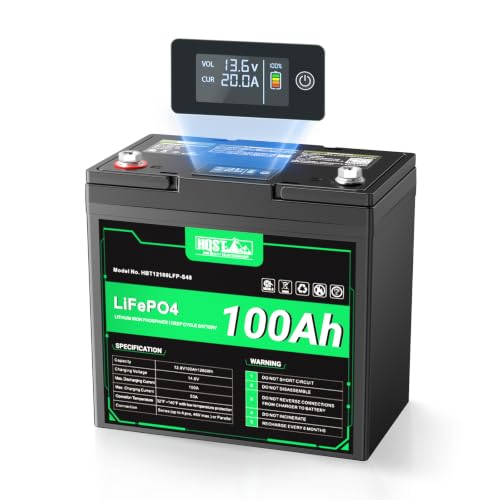
【10-Year Longevity】With 4000+ deep cycles from premium A-grade LiFePO4 cells, this 12V 100Ah Lithium battery lasts 6x longer than lead-acid. Comes with a reassuring 10-year commitment to both product quality and service life. A perfect option to replace lead-acid batteries and enjoy extended durability
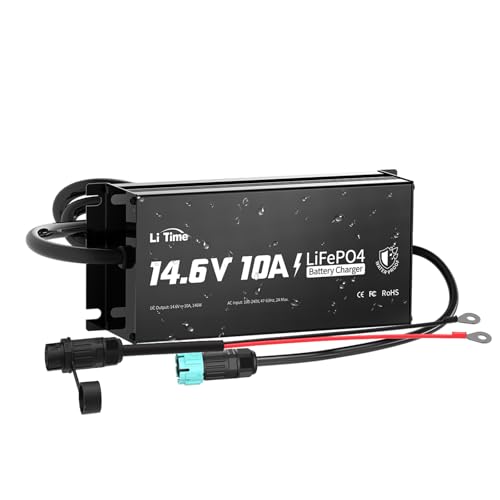
14.6V Lithium Battery Charger: Work with 12V (12.8V) LiFePO4 battery, delivering steady 10A charging with wide AC input (100–240V, 50/60Hz). It can also reactivate lithium batterie after BMS shutdown, keeping your power system ready whenever you need it.
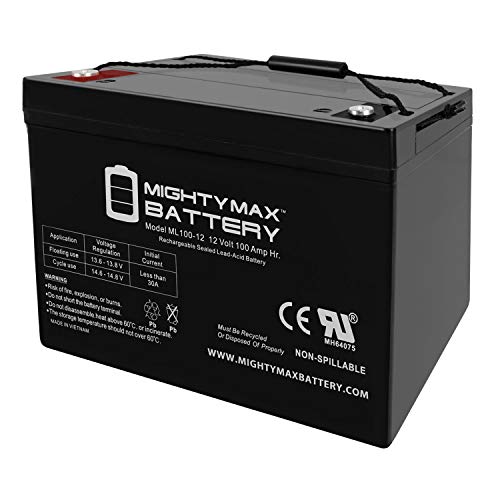
ML100-12 SLA is a 12V 100AH group 30H Sealed Lead Acid (SLA) rechargeable maintenance free battery - UL Certified
Why Your Battery’s Amp-Hour Rating Needs Real-World Adjustment
Temperature also significantly impacts capacity. At 50°F, flooded lead-acid batteries need about 13% more nominal Ah, and at 32°F, that increases to roughly 37%. Cold water drains runtime faster than expected because the chemical reactions slow down, effectively reducing usable capacity. When selecting a battery for your boat, comparing the available Group 24 vs. 34 options can further refine your runtime expectations because physical size and terminal placement affect which battery fits your trolling motor compartment. To ensure secure connections that prevent power loss, always pair your battery with the best battery straps designed to hold it firmly in place during rough waters. For ice anglers, a sealed battery box protects terminals from snow and slush, but the enclosed insulation reduces airflow and can accelerate heat buildup during charging. Always adjust your battery’s rated Ah to match your actual draw, the battery chemistry, and water temperature. Relying solely on the sticker can leave you stranded earlier than planned, so account for these factors to get a true estimate of how long your battery will last.