
Wondering how long a marine battery typically lasts? Most will serve you around 3 to 5 years, but how long they actually keep going depends on factors like chemistry, how deeply you discharge them, and exposure to heat.
Knowing these details helps you plan for replacements before unexpected failures. Keep reading for everything you need to know to keep your marine batteries running strong.
Chemistry, Cycle Depth, and Temperature: The 3 Factors That Control Lifespan
Cycle depth has the greatest impact on marine battery lifespan. Fully discharging your battery each cycle accelerates electrode wear and reduces the total number of usable cycles. For lead-acid batteries at 25°C, completely discharging (100% DoD) typically results in about 150 to 200 cycles. In contrast, limiting the discharge to around 30% DoD can extend lifespan past 1,000 cycles, mainly by preserving electrolyte stability and minimizing electrode degradation. Shallow cycling, therefore, significantly prolongs battery life by reducing stress on internal components. Following expert tips for charging your marine battery can further optimize performance and longevity. Additionally, consistently operating at higher ambient temperatures can significantly reduce total cycle count due to accelerated chemical reactions within the battery. Using a quality crimping tool for battery cable connections ensures reliable electrical contact, minimizing resistance and heat buildup that can shorten battery life.
How Long Do Different Marine Battery Chemistries Last?
Flooded lead-acid batteries typically last only 2 to 4 years with around 200 to 300 charge cycles, making them the shortest-lasting option among marine chemistries. AGM (Absorbed Glass Mat) batteries improve on this, lasting approximately 3 to 5 years and enduring 300 to 600 cycles. Gel batteries extend further, with a lifespan of 3 to 7 years and 500 to 1,000 cycles, offering better durability and resistance to vibration and temperature extremes. Using a heat gun for heat shrink tubing can help protect battery cable connections from moisture and corrosion. Lithium iron phosphate (LiFePO4) batteries lead the pack, providing 8 to 15 or more years of service and withstanding over 2,000 to 5,000 cycles. Their longer lifespan is often reflected in more comprehensive warranty coverage, showing their durability over time. Remember that battery recycling preferences also vary: lead-acid units are widely recyclable and easier to dispose of responsibly, while lithium batteries require specialized facilities for recycling. When choosing between AGM and deep cycle batteries, consider that AGM models offer faster recharge times and better resistance to vibration than standard flooded options, which can influence overall performance on a boat. For example, when comparing overall cost of ownership, AGM batteries can provide better value over their lifespan despite a higher upfront price than flooded batteries. Your choice of chemistry influences not only lifespan but also how frequently you’ll need to replace and dispose of your batteries.

🔋 DEPENDABLE DEEP CYCLE POWER – Power your next trip with the Newport 12V 50Ah Deep Cycle Lead Acid Battery, designed to deliver steady, consistent power for trolling motors and other 12V marine electronics.

Maintenance Free: Manufactured with thick absorbent Glass Mat (AGM) seperators and advanced valve regulated technology, Renogy deep cycle agm batteries save you from acid leakage and frequent maintenance..Batteries Required:no

[Superior Performance]: Discover superior performance with our upgraded 12V 20Ah LiFePO4 battery. This rechargeable lithium battery offers impressive energy density, long cycle life, and advanced safety features. Equipped with a built-in 20A BMS protection system, it guards against overcharging, over-discharging, over-current, and short circuits. Additionally, its low self-discharge rate ensures trouble-free storage for up to one year
Cycle Life vs. Calendar Life: Which Number Matters More?
Cycle life generally exceeds calendar life as the more crucial metric for your boat’s battery. It indicates how many complete charge and discharge cycles the battery can handle before its capacity drops to about 80%. This figure is vital if you frequently use your boat, such as for trolling or powering house loads, because it determines when you’ll need to replace the battery. On the other hand, calendar life is important if your boat remains unused for extended periods. During storage, chemical decay persists, and poor storage habits can cause the battery to fail well before its cycle life is reached. When you do need to recharge, choosing the right marine battery charger ensures you avoid under- or over-charging that can shorten lifespan. Both cycle life and calendar life influence your battery’s overall longevity. The one that hits its limit first will usually dictate when you need a replacement. For high-usage boats, managing cycle life through controlling the depth of discharge and maintaining optimal temperatures is essential. For seasonal boats, proper storage practices—keeping the battery cool, fully charged, and protected from extreme conditions—can extend calendar life. Understanding when to use a boat battery switch 1 2 or all setting helps you isolate batteries during storage to prevent parasitic drain. Ultimately, understanding and monitoring both metrics give you the clearest picture of your battery’s health and lifespan. Using quality battery terminals ensures a reliable connection, reducing resistance that can drain power and shorten overall battery life.
5 Bad Habits That Shorten Marine Battery Lifespan
Avoid letting your marine battery sit partially discharged because it accelerates sulfation. Sulfation occurs when lead sulfate crystals form on the battery’s plates, reducing its capacity and lifespan. This process is faster if the battery remains at a low state of charge over time. Repeated deep discharges below 50% of capacity also wear out lead-acid batteries quickly, so keeping the charge level above this threshold is essential. Using the wrong charger or overcharging can generate excess gas, dry out the electrolyte, and damage the sensitive AGM or gel battery designs. Never fall for the myth that leaving the battery uncharged during storage is okay—always use a smart maintainer or a top solar battery charger to prevent sulfation and preserve battery health. Additionally, ignoring low electrolyte levels, corroded terminals, or high heat exposure can significantly shorten the battery’s lifespan. Proper maintenance, including regular inspection and recycling when the battery finally fails, helps ensure your investment lasts as long as possible and benefits the environment. Heat guns used for shrink tubing can also damage nearby battery components if improperly directed during maintenance.

Stay Charged: Battery Tender battery chargers and maintainers provide a full charge to your powersport vehicle’s battery before switching to float mode to maintain proper voltage levels for safe, long-term storage

Charger, Maintainer & Desulfator - An all-weather battery charger, battery maintainer, trickle charger, and battery desulfator. Perfect for charging and maintaining all 12-volt lead-acid, flooded or sealed maintenance free batteries (AGM and gel cell).
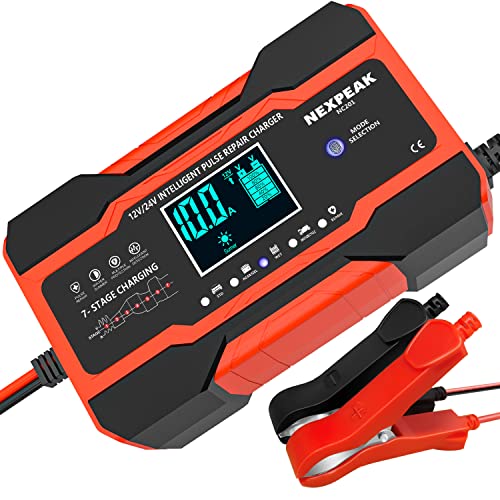
【10-AMP QUICK CHARGER】12V 10-Amp and 24V 5-Amp 7-stage quick battery charger, charging speed is much faster than 8-Amp or 5-Amp automatic chargers. Charge or repair all 12-volt and 24volt lead-acid automotive, marine and deep-cycle batteries including AGM, GEL, SLA, Flooded in cars, trucks, SUVs, motorcycles, lawn mowers, boats marine, etc. Perfect household tool and present for daily use! NEW REPLACEMENT AVAILABLE FOR ANY QUALITY ISSUE.
4 Signs Your Marine Battery Needs Replacement
If your marine battery is failing, you’ll notice it through specific signs. First, if the engine struggles to crank or the starter sounds sluggish, it’s a clear indicator of a weakening battery—don’t ignore this. Second, a battery that won’t hold a charge and shows a voltage below 12.4V shortly after a full recharge signals internal damage. Third, dim cabin lights or weak electronics like GPS or pumps suggest declining power delivery under load. Using a high-quality solar battery charger can help maintain proper charge levels and extend battery life. Finally, physical damage such as cracks, bulges, or heavy corrosion on the case or terminals points to internal failure. Relying on poor installation or charging practices will not extend its life. If a load test shows voltage dropping below 9.6V, you should replace the battery immediately, and having a reliable kill switch with lanyard can provide critical emergency shutoff during a power failure. Recognizing these signs early can prevent being stranded on the water.

Crocodile clamps are made of high quality copper material which have good conductivity. The whole body is covered by insulating sheath, which is both comfortable and safe to use.
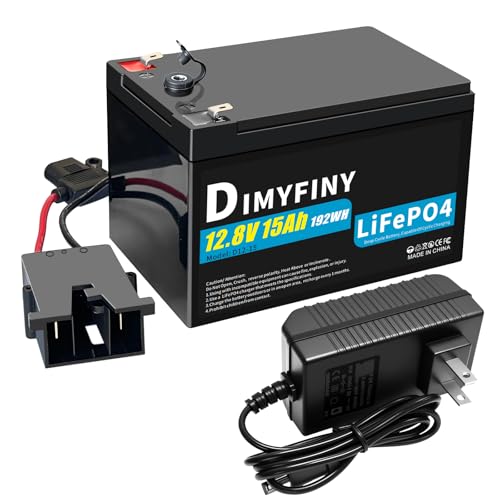
BATTERY CAPACITY:✅Extended Run Time & Lightweight, 15Ah/20Ah battery designed for extended runtime and reliable power delivery

[Aluminum Alloy Material] Advanced all-aluminum alloy body with scratch-resistant technology, ensuring durability and keeping the 12V USB socket looking brand new. The upgraded metal USB cigarette lighter socket does not overheat at high temperatures, making it safer than plastic.